Renovo Law Group APC

Chapter 7 Bankruptcy

Renovo Law Group APC

Chapter 7 Bankruptcy

If you are struggling with credit card debt, medical bills, or wage garnishments, Chapter 7 bankruptcy may allow you to eliminate most unsecured debts in as little as three to four months. California law provides broad exemption protections in the state, which means many filers can keep their home, car, retirement accounts, and personal property while discharging qualifying debts.

Request Your Free Consultation

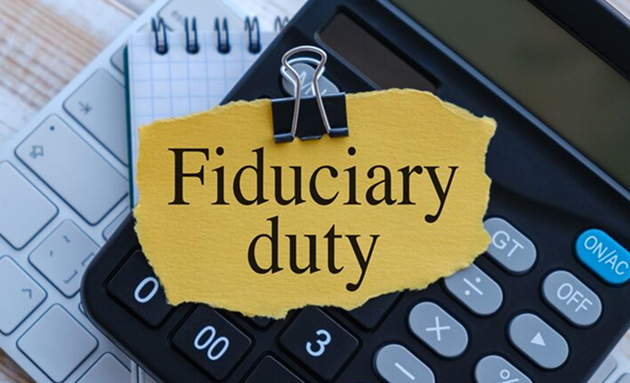
Calculator and documents for Chapter 7 bankruptcy filing

Chapter 7 Bankruptcy

If you are struggling with credit card debt, medical bills, or wage garnishments, Chapter 7 bankruptcy may allow you to eliminate most unsecured debts in as little as three to four months. California law provides broad exemption protections in the state, which means many filers can keep their home, car, retirement accounts, and personal property while discharging qualifying debts.

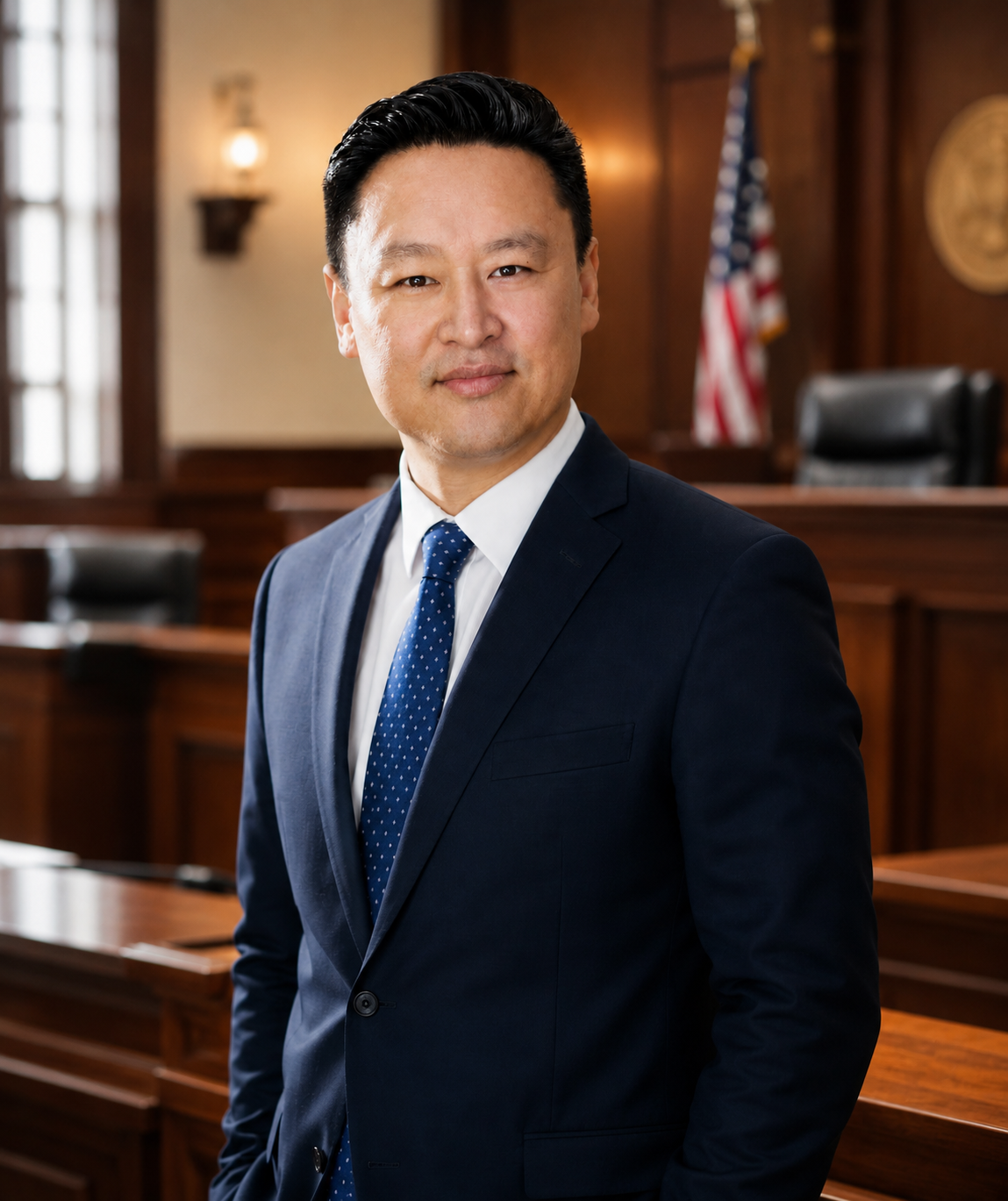
California Chapter 7 bankruptcy attorney David H. Chung has helped clients across the state use Chapter 7 to get a true fresh start. David focuses his practice on Chapter 7 cases for individuals. Our team represents clients in federal court districts across California. David H. Chung represents people throughout California.

This guide covers what Chapter 7 bankruptcy is, who qualifies under California law, what debts can be discharged, how to protect your property using California's exemption systems, and how the filing process works from start to finish.

Two attorneys reviewing bankruptcy qualification documents at a desk

Do You Qualify for Chapter 7 Bankruptcy in California?

Qualifying for Chapter 7 in California requires passing the federal means test, which compares your household income to the state median income for a household of your size. If your income falls below the median, you generally qualify. If your income is above the median, a second calculation examines your allowable monthly expenses to determine whether you have enough disposable income to repay a portion of your debts.

The means test uses your average gross monthly income from the six full calendar months before you file your bankruptcy petition. This total is annualized and compared to California's median income figures, which are published by the U.S. Department of Justice and updated periodically.

If your annual household income falls below these thresholds, you pass the first part of the means test. If your income is above the median, you are not automatically disqualified. The second part of the means test allows you to deduct certain living expenses, secured debt payments, and priority debt obligations from your income. If the remaining disposable income is low enough, you may still qualify for Chapter 7.

Two attorneys reviewing bankruptcy qualification documents at a desk

Other Eligibility Requirements

Beyond the means test, bankruptcy venue is generally proper in the district where you have lived, had your principal place of business, or held your principal assets for the greater portion of the 180 days before filing. To use California's bankruptcy exemptions, you generally must have been domiciled in California for the 730 days before filing; otherwise, a different lookback rule may apply. You must also complete a credit-counseling course from a provider approved by the U.S. Trustee Program within 180 days before filing your petition.

If you previously received a Chapter 7 discharge, you cannot receive another one for eight years from the date of your earlier filing. If you previously received a Chapter 13 discharge, the timing for a later Chapter 7 discharge depends on how much of your Chapter 13 plan was paid. In some cases, there is no six-year waiting period; in others, a six-year rule may apply.

What Debts Can Chapter 7 Eliminate?

Renovo Law Group APC

Dischargeable Debts

Chapter 7 can eliminate the following types of debts:

  • Discharge most unsecured debts (credit cards, medical bills, personal loans)
  • Fast process - typically 3-4 months from filing to discharge
  • Automatic stay stops creditor harassment immediately
  • Keep exempt assets (home equity, car, retirement accounts)
  • No repayment plan required
  • Fresh financial start
Renovo Law Group APC

Non-Dischargeable Debts

Certain debts cannot be eliminated through Chapter 7 under 11 U.S.C. § 523. These include:

  • Recent income taxes
  • Child support and alimony
  • Most student loans
  • Debts from fraud or intentional harm
  • Certain court fines and penalties

Request Your Free Consultation

How Does California Protect Your Property in Chapter 7?

A common misconception about Chapter 7 is that you lose everything when you file. In reality, California offers two sets of bankruptcy exemptions that allow most filers to keep all of their property. Choosing the right exemption system is one of the most important decisions in a Chapter 7 case.

The Section 704 exemption system is designed for California homeowners and provides strong protection for real property and essential personal assets. Under System 1, you may exempt:

  • Homestead equity based on county median home prices ($361,076–$722,507)
  • Motor vehicle equity up to $8,625 (can be split across multiple vehicles)
  • Household goods, clothing, and appliances reasonably necessary for family use
  • Tools of the trade up to $8,000 ($15,975 for joint filers in the same occupation)
  • Jewelry, heirlooms, and art up to $8,725
  • Full protection for tax-exempt retirement accounts

You must select one exemption system when you file your petition and cannot combine exemptions from both systems. The right choice depends on your home equity, savings, vehicles, and other assets. An experienced bankruptcy attorney can evaluate your situation and recommend the system that provides the greatest protection for your property.

Key Takeaway: With proper exemption planning under California law, most Chapter 7 filers are able to keep all of their property while eliminating qualifying unsecured debt.

Why Clients Choose David

Attorney David consulting with a client at a desk
  • Renovo Law Group APC

    Personalized Legal Strategy

    Custom bankruptcy solutions designed specifically for your unique financial situation and goals.

  • Renovo Law Group APC

    Direct Attorney Access

    Work directly with David throughout your case - no paralegals or junior associates.

  • Renovo Law Group APC

    Transparent Communication

    Clear, honest updates at every stage with no confusing legal jargon or hidden surprises.

  • Renovo Law Group APC

    Affordable Payment Options

    Flexible payment plans designed to accommodate your current financial circumstances.

  • Renovo Law Group APC

    Fast Response Times

    Quick replies to your questions and concerns, typically within 24 hours or less.

David H. Chung
David H. ChungLos Angeles Bankruptcy Attorney

Helping You Take The First Step

Toward Financial Freedom

Renovo Law Group APC+(1) 123 456 7890
Rated 5.00 Stars

What Our Clients Say

Hear from individuals and families who trusted us to guide them through difficult financial situations with compassion, clarity, and confidence.

Photo of Christina Pesina
Christina Pesina
Renovo Law Group APCRenovo Law Group APCRenovo Law Group APCRenovo Law Group APCRenovo Law Group APC

Thank you to Rudy for getting us started and keeping us informed. The process has been easy this far and Rudy has been a delight to talk with. It feels like talking a a family member, he is extremely relatable and uses his own life experience to help you through this hard time. We appreciate his kindness and understanding.


Frequently Asked Bankruptcy Questions

Renovo Law Group APC

Take The First Step Toward Financial Freedom

The sooner you understand your options, the sooner you

can begin moving forward with confidence.

  • Renovo Law Group APCFree Consultation
  • Renovo Law Group APCConfidential Case Review
  • Renovo Law Group APCFlexible Appointment Options
  • Renovo Law Group APCExperienced Bankruptcy Representation

Request Your Free Consultation